All articlesWorkflow
From Tech Pack to Photo: Sell Before You Manufacture
Generate campaign imagery straight from technical drawings and 3D renders — and launch pre-orders without a sample.

The oldest constraint in fashion merchandising is that you cannot photograph a garment that does not exist yet. Sampling, shipping, casting and shooting all sit between the design being finished and the product being sellable — usually several months, and always before you know whether anyone wants it.
Generating imagery straight from a tech pack removes that constraint. The design becomes a picture before it becomes a sample.
What the workflow looks like
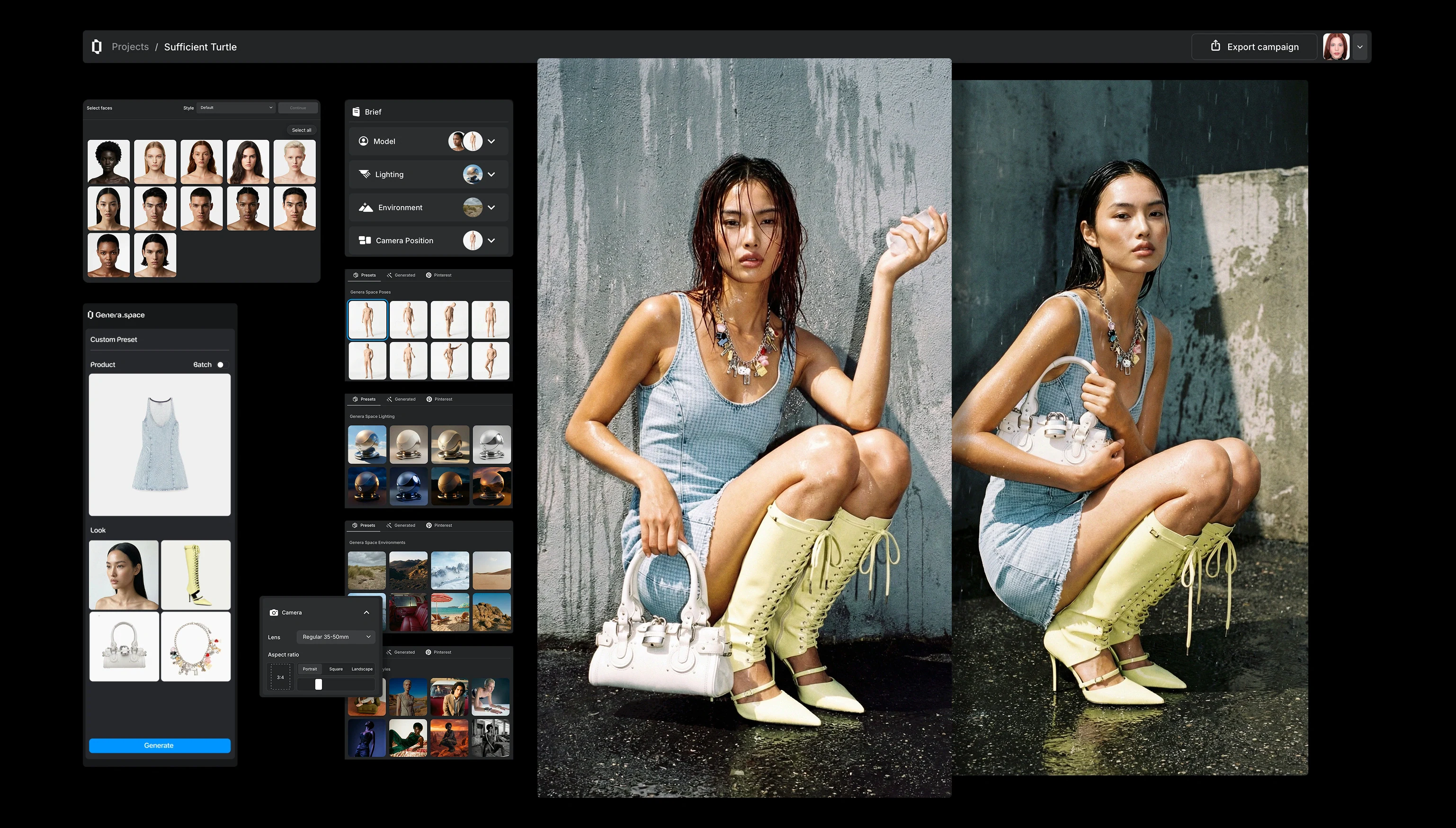
1. Start from the specification. Flat technical drawings front and back, measurements, colourways, fabric and trim callouts, construction notes, and print or embroidery artwork at the correct scale. If 3D exists in the design pipeline, that works as an input too.
2. Add material references. A photograph of the fabric — or an accurate swatch — is what separates a plausible render from a convincing one. Weight, sheen, weave and stretch all read differently on a body.
3. Set the creative direction. Model casting, pose, set, lighting, crop. This is the same brief a photographer would receive, written the way a production team writes it.
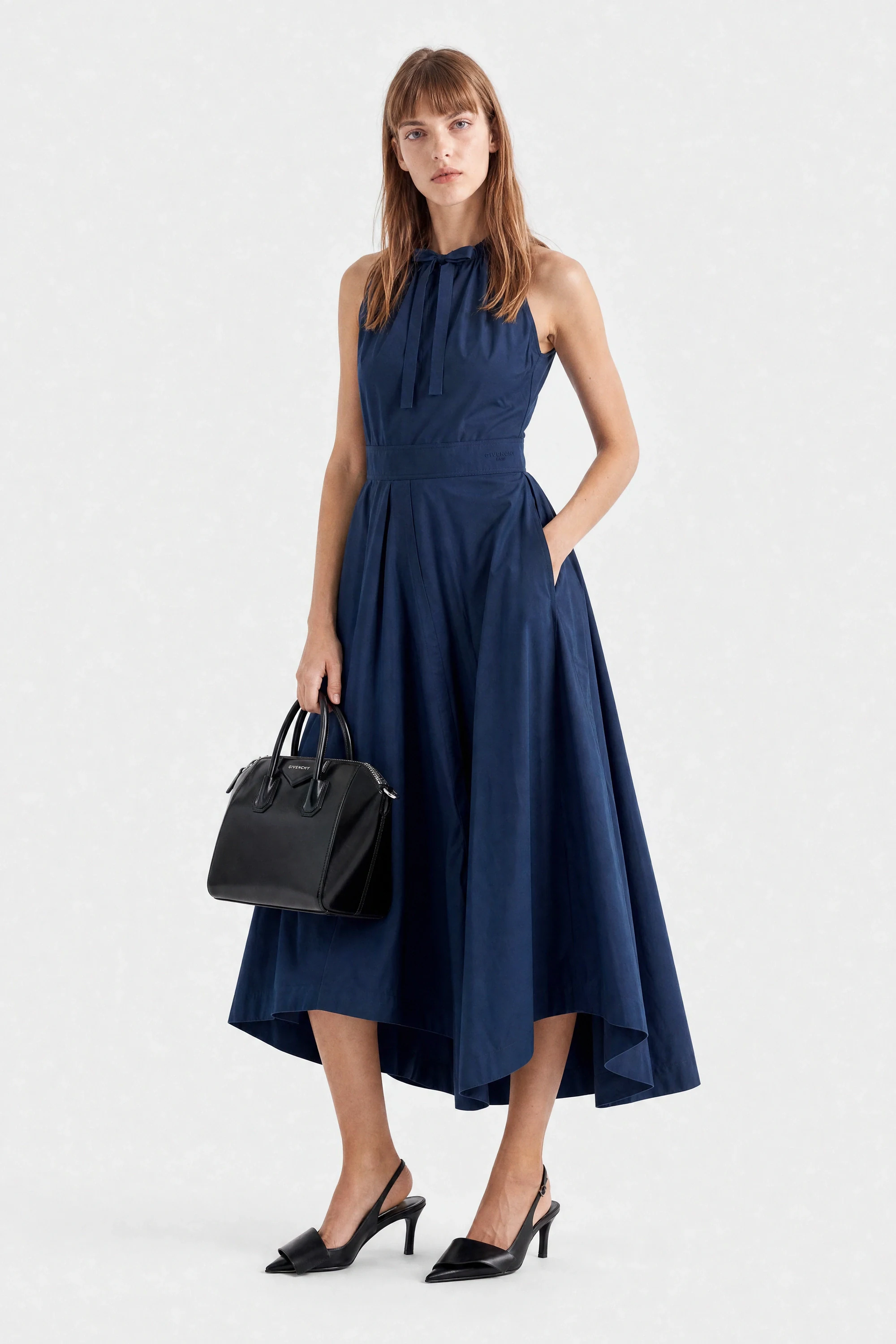
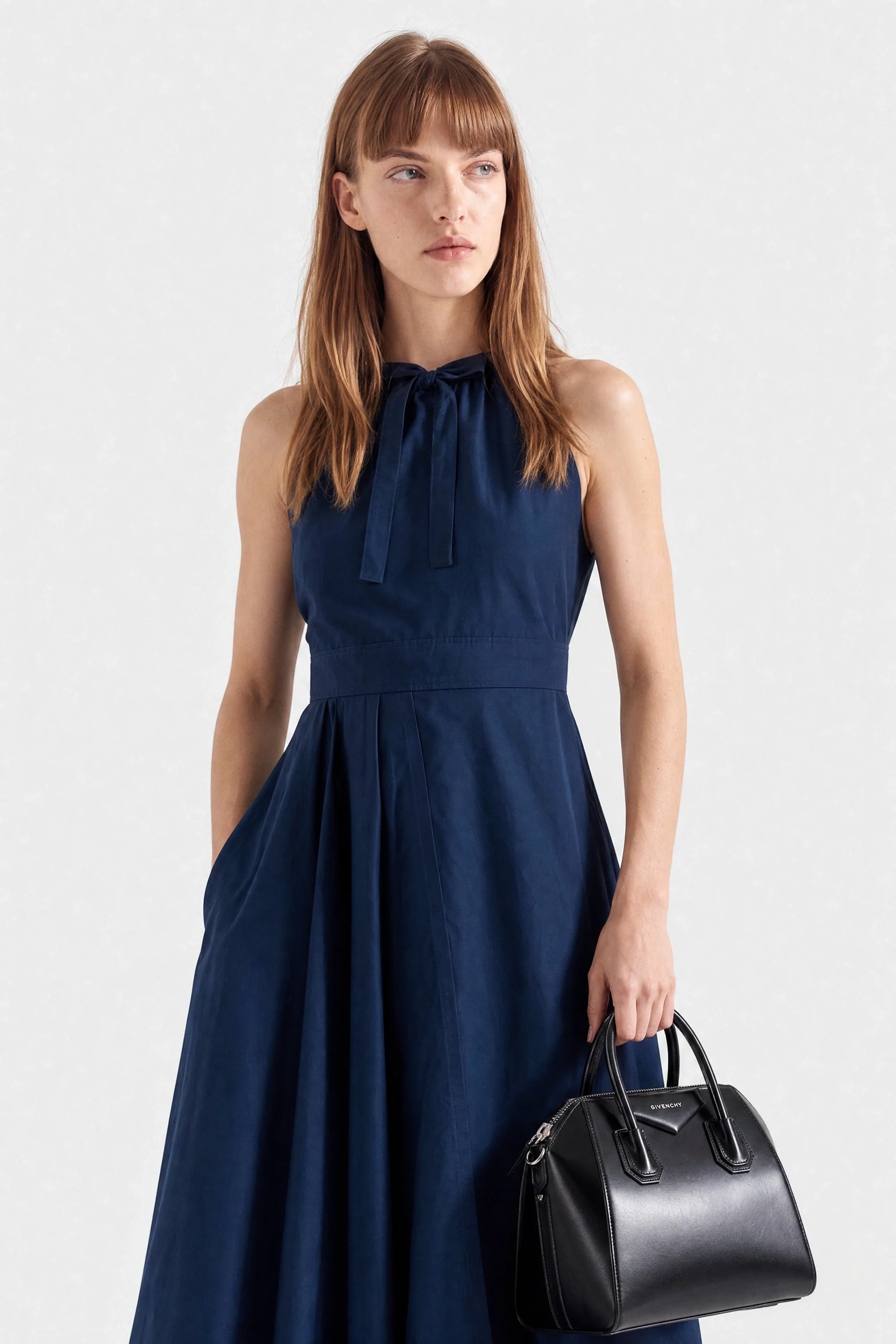
4. Generate and review. Silhouette, proportion, colour, print scale, construction. Anything that fails goes back with a note, exactly as a retouch round would.
5. Ship the stack. PDP images, lookbook pages, wholesale sheets, campaign frames — all from the same garment definition. The condensed version of this workflow is on tech pack to photo; the platform overview shows which module does what, and Genera.School runs through it on screen.
What it unlocks commercially
Pre-orders before production. Put the collection in front of customers and take orders while the fabric is still being sourced. Demand data then informs the buy, rather than the other way round.
Merchandising decisions made on flats are decisions made on the wrong information.
Line reviews with images instead of drawings. A photorealistic view of the same garment changes which items get cut.
Wholesale and B2B ahead of samples. Buyers see the range in a lookbook rather than in a spec sheet, months earlier — and the sales team stops apologising for the drawing.
Colourway and variant testing at zero marginal cost. Six colourways, four markets, three set directions. The expensive version of that experiment is a sampling run; the cheap version is a generation batch.
Fewer samples, less waste. Sampling exists for fit and make, which still needs a physical garment. It does not need to exist for photography, which is where a surprising share of sample volume goes.
Where accuracy comes from — and where it does not
Be precise about what a tech pack can and cannot determine.
Pre-production imagery is a strong commercial proxy, not a substitute for the fit session.
It does determine silhouette, proportion, seam and closure placement, pocket geometry, colour, print scale and placement, and trim specification. Those come straight from the drawing and the callouts, and they are the things a customer measures the parcel against.
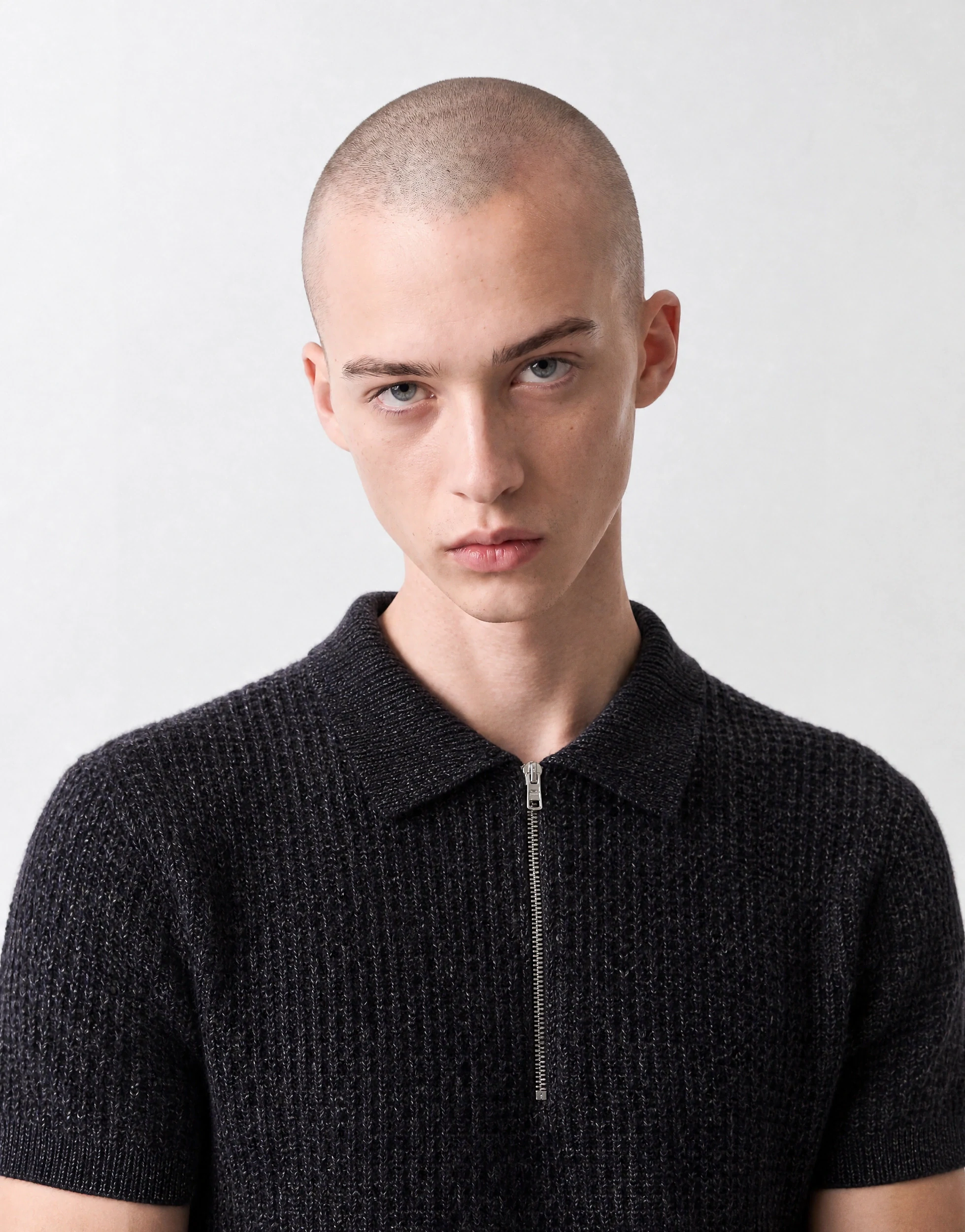
It does not fully determine how a fabric behaves. Drape, recovery, sheen and the way a knit collapses are properties of the material, and the model infers them from your reference. For anything unusual — heavy jacquards, technical shells, sheer layers, deep pile — photograph the swatch properly and expect a review round. That is the honest limit to state internally.
The rule that keeps it clean
Whatever ships must match what was shown. That is not an AI-specific rule — it is the rule that already governs product photography — but it matters more when the image precedes the garment. Two practices keep it safe:
- Re-verify at sample stage. When the first sample lands, compare it against the published imagery and regenerate anything that has drifted. Fabric substitutions are the usual culprit.
- Label pre-production visuals where the final make may differ, especially on pre-order pages. Customers are tolerant of “pre-production sample shown”; they are not tolerant of a surprise.
Who this changes most
The niche is still surprisingly empty.
For a growing brand, it removes the step that made a proper campaign impossible: you can launch a collection with real imagery without funding a shoot before revenue exists — the pattern described on the growing brands page.
For an enterprise team, it moves the imagery milestone from post-sampling to post-design, which pulls weeks out of the critical path on every drop and lets the buy be informed by demand instead of instinct. Examples from production are in the use cases.
Most tools in this category start from a photograph of an existing garment; starting from the drawing is a different problem, and it is the one that changes when a brand can start selling.
Related reading: Flat Lay vs On-Model and Transform Your Ecommerce Visuals with AI Brand Photoshoot Technology.
FAQ
02- What does a tech pack need to contain for this to work?
- Flat technical drawings front and back, measurements, colourways, fabric and trim specification with material references, construction notes, and any print or embroidery artwork at the correct scale.
- How accurate is an image generated from a drawing?
- Accuracy tracks the specification. Silhouette, proportion, colour, print placement and construction details come from the tech pack; fabric behaviour is inferred from the material reference, which is why swatch photography helps for anything with unusual weight or sheen.
- Can these images be used for pre-orders?
- Yes, and many brands do — with the same honesty rule as any product image: what ships must match what was shown. Label pre-production visuals where the final make may differ.


