All articlesEconomics
How Much Does a Fashion Photoshoot Cost in 2026?
Studio, casting, samples, and logistics broken down line by line — and what the same catalog costs when generated.

Nobody budgets for a photoshoot the way it actually costs. The invoice from the studio is the visible part; the expensive part is spread across sample logistics, internal hours, reshoots and the weeks of delay between “the product exists” and “the product is live”.
Here is the full line-by-line picture for 2026, followed by the same catalogue produced in software.
The visible costs
Crew. A photographer’s day rate, an assistant, a stylist, a hair and make-up artist, and — for anything beyond a basic packshot day — a digital operator. Rates vary enormously by market, but a modest e-commerce day is rarely a one-person job.
Models. Day rate plus agency commission, plus usage. Usage is the line that surprises people: territory, channel and duration are all priced separately, and a campaign licence renewed after twelve months can cost as much as the original shoot day.
Studio. Rental, lighting, backdrops, and often equipment hire on top. Location shoots swap this for permits, travel and weather risk.
Post-production. Retouching per image, colour matching to the master, silhouetting for marketplace formats, and the second pass that follows every review round.
The invisible costs
Every day a product is photographed but not live is a day of lost sell-through at full price.
Samples. Producing them, shipping them, tracking them, steaming them, and losing some. For a pre-season shoot the sample often has to exist months before the product does — which is why brands that shoot from a tech pack instead can start selling earlier.
Internal hours. Briefing, casting, call sheets, on-set art direction, selects, feedback rounds, approvals, uploads, renaming and metadata. This is real money and it never appears on the production budget.
Time to market. Between booking and publish, a typical e-commerce shoot cycle runs two to six weeks, and every one of those days is a product that exists but is not selling.
Reshoots. Wrong colour, wrong fit, sample changed after the shoot, marketplace rejected the crop. The second shoot always costs more than the first, because the schedule no longer has room for it.
The arithmetic that matters
Divide everything by the number of images that actually shipped:
total production cost ÷ published images = your real cost per image
Most e-commerce teams that run this calculation honestly land between $15 and $60 per published image. Editorial, campaign and location work sits far higher. The number is rarely what the team assumed, because the denominator — images actually used — is always smaller than the number shot.
What the same catalogue costs generated
On Genera.Space, around 100 final-ready images take roughly 15 minutes, enterprise teams produce up to 2,000 images a day, and the cost is $0.25 to $1.50 per image including garment replication, AI fashion models and delivery — the plan structure behind that number is on the pricing page.
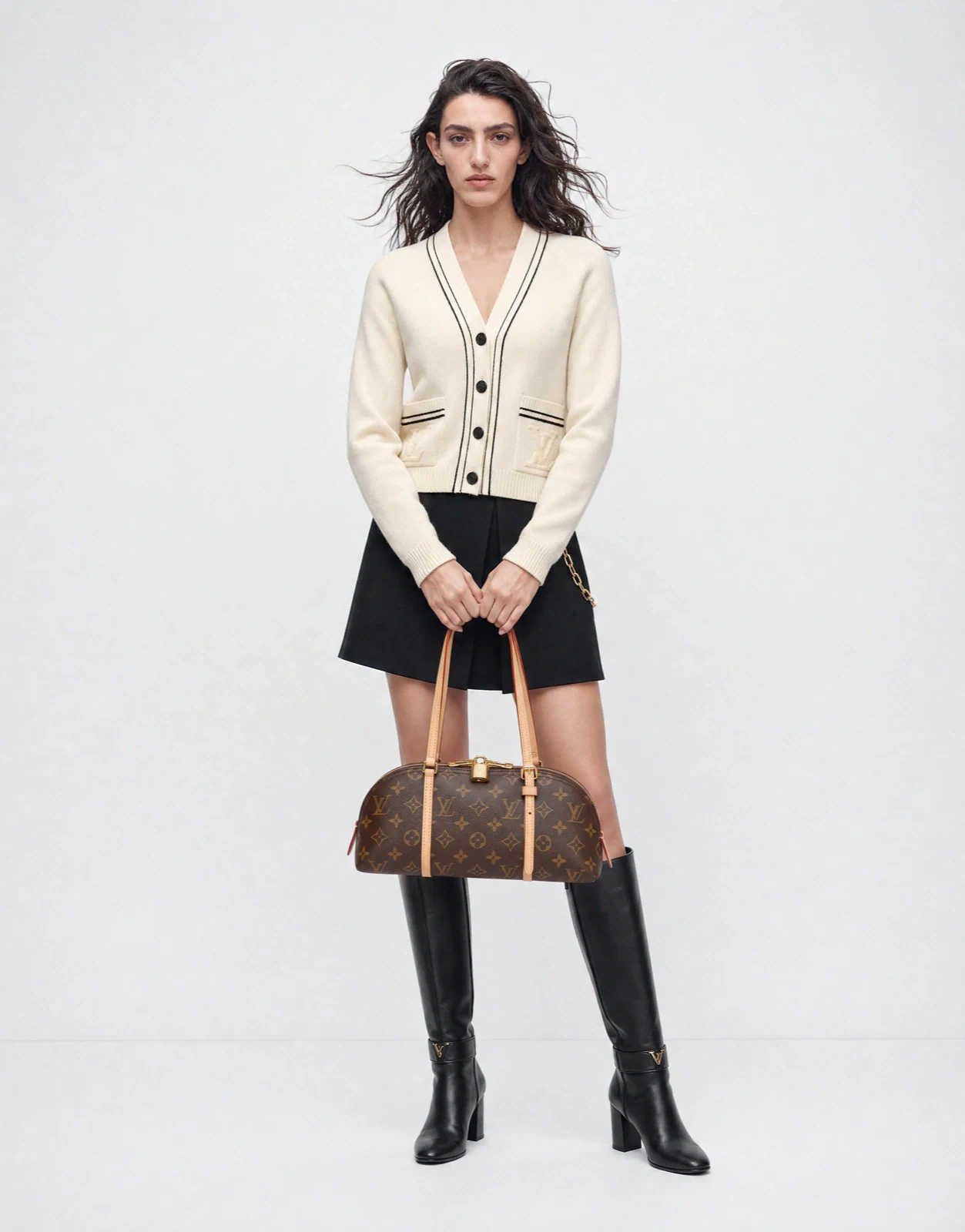
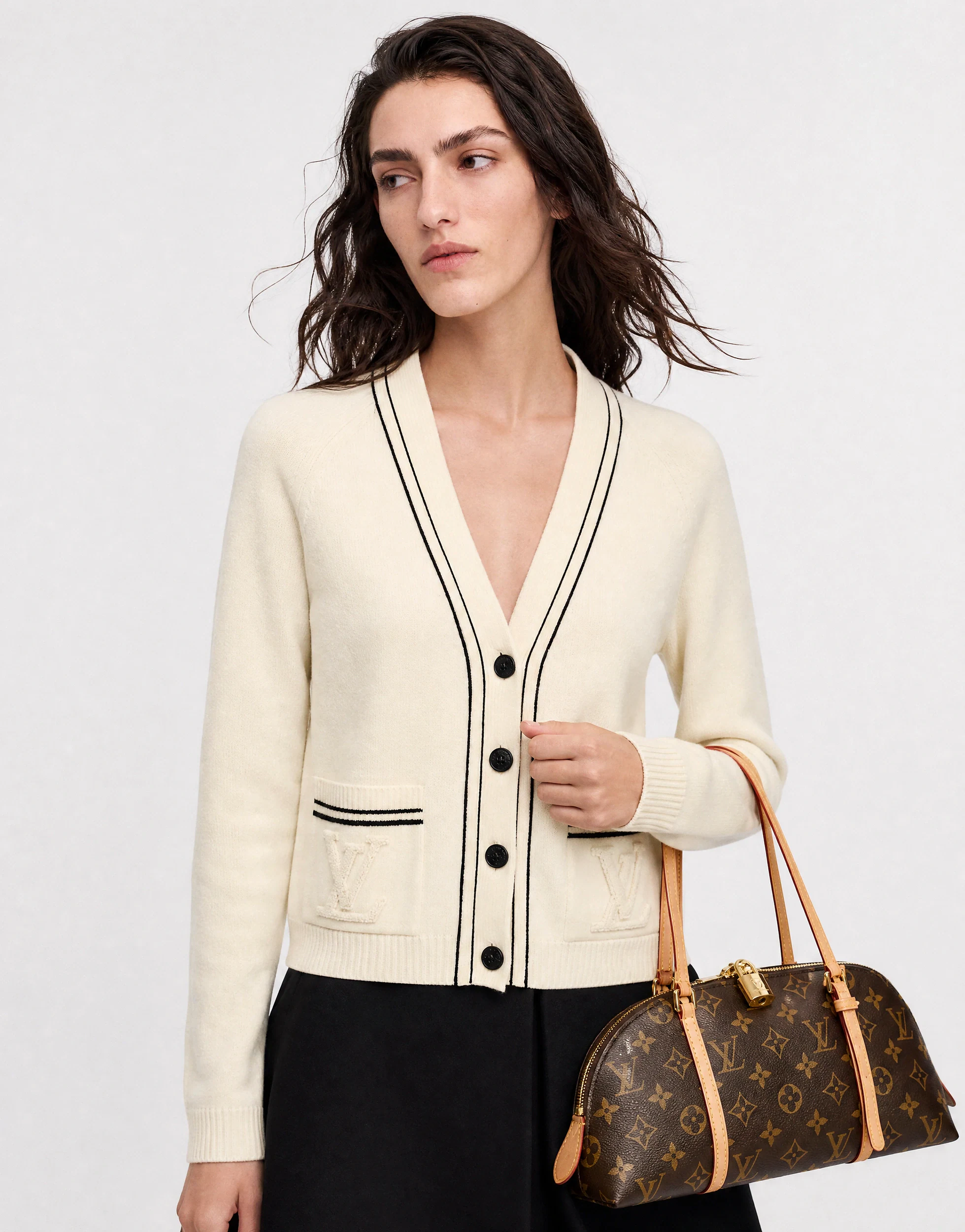
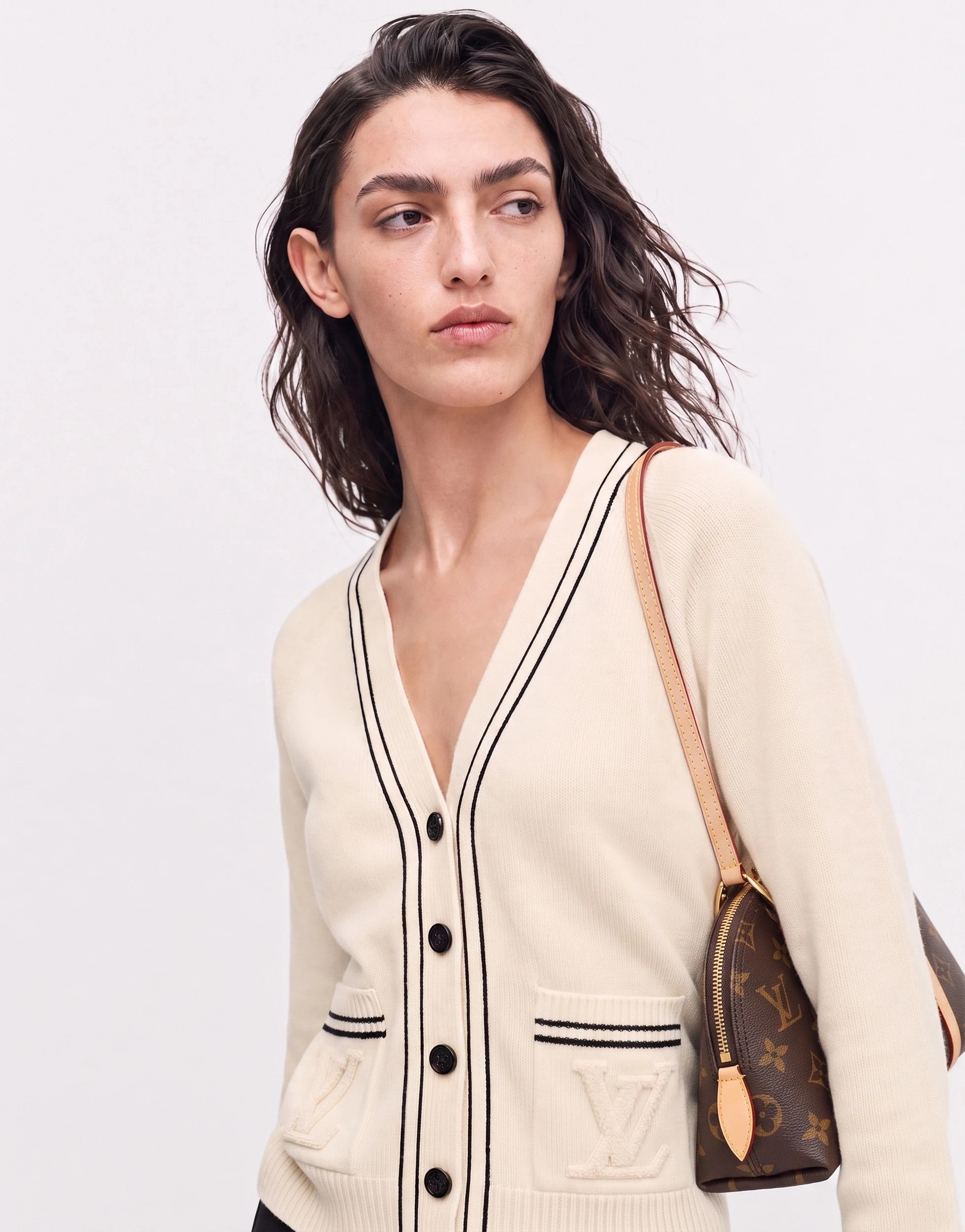
Apply the same discipline to that number:
- Accept rate. Divide by images that pass QA, not images generated.
- Review time. Someone still checks every image. Budget the hours.
- Setup. Brand presets, model casting and set direction are built once and reused; count that as a one-off.
Even with those adjustments the gap is one or two orders of magnitude, and the schedule gap is larger: minutes instead of weeks, with no sample shipping in the critical path.
A realistic hybrid budget
The brands getting the most out of this are not choosing one or the other.
A pattern that works:
- Two or three photographic moments a year for campaign and brand imagery, where a human eye, a real location and a named talent are the point.
- Everything repetitive generated: colourways, restocks, size and fit variants, regional casting, marketplace crops, seasonal refreshes of last year’s stock.
- One visual system across both, so the generated long tail and the shot campaign look like the same brand — the same casting logic, the same light, the same crops.
That mix typically cuts the annual imagery budget substantially while increasing the number of images per product, which is what actually moves conversion on a product page.
Before you rebuild the budget
Run one honest audit. Take last season: total every line above, count the images that shipped, and note the days between the shoot and the product going live. Then run a pilot on 25 SKUs and measure the same three numbers.
Whatever you decide, decide it with the full cost in front of you — including the weeks. Our use cases show what the numbers looked like for brands that made the switch, and Genera.School shows the production side of it in the platform.
FAQ
02- What is a realistic cost per image for a traditional e-commerce shoot?
- Once every line is counted — crew, studio, samples, logistics, post-production and internal hours — most brands land somewhere between $15 and $60 per published image, with editorial and campaign work well above that.
- What does an AI-generated image cost?
- On Genera.Space, $0.25 to $1.50 per image including garment replication, AI fashion models and final delivery. The number that matters for your budget is cost per published image, which depends on your accept rate.
- Does generating imagery mean firing the photography team?
- In practice most brands keep photography for brand and campaign moments and move the repetitive long tail — colourways, restocks, regional variants, marketplace formats — into software.


