All articlesComparison
Best AI Fashion Model Generators in 2026
A side-by-side comparison of platforms generating on-model imagery — accuracy, consistency, and real cost per image.

“AI fashion model generator” now covers everything from a consumer app that pastes a t-shirt onto a stock body to an enterprise system that reproduces a garment stitch by stitch and holds the same casting across four seasons. The category name is the same; the commercial outcome is not.
This is what actually separates them in 2026, and how to run a test that tells you which tier you need.
The five things that decide quality
1. Garment replication, not garment approximation
An inaccurate garment is a return waiting to happen.
The single dividing line. Weak systems generate a jacket in the style of yours; strong ones reproduce your jacket — the print at the right scale, the button placement, the seam lines, the hardware. Everything else on this list is secondary.
Test it with your worst case, not your best: a pattern with a repeat, a knit with visible structure, something with asymmetric details.
2. Model consistency across a batch and across a season
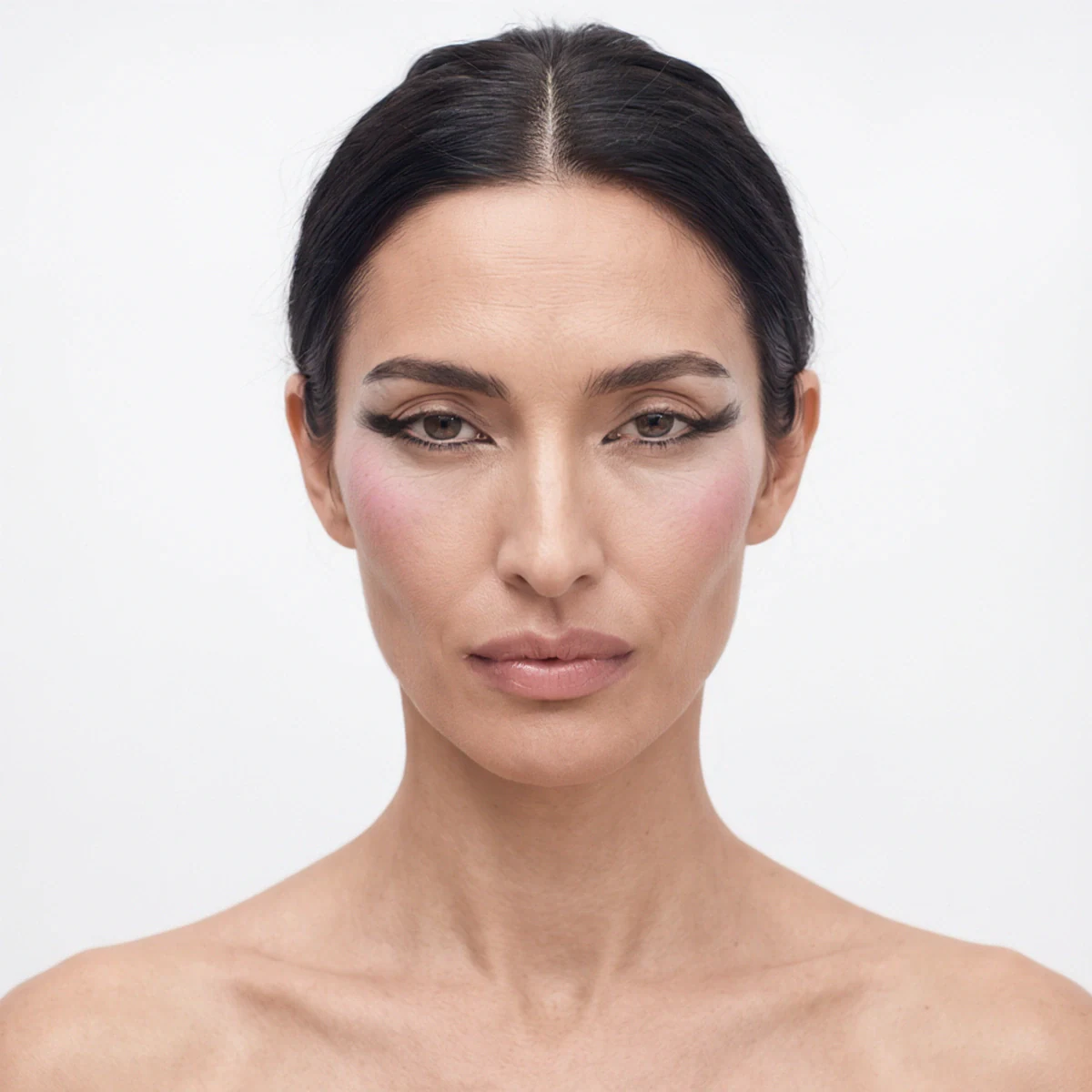
One good image proves nothing. Production quality is whether image 400 matches image 1: the same face, the same body, the same lighting, the same crop. Ask how a model is saved and reused, whether casting can be locked to a collection, and what happens when the platform updates its underlying models.
3. Casting range and regional relevance
If you sell in several markets, you need models that suit those markets — different ages, body types, skin tones, and styling codes. Check the real range of the library rather than the six faces on the landing page, and check whether you can request or build a model that fits the brand — how that works on Genera is covered on the AI fashion models page.
4. Licensing and consent
Ask three questions and keep the answers: who owns the likeness, what commercial usage is granted, and for how long. Where a platform digitises real fashion talent — as Genera does — consent and revenue terms should be documented rather than implied. This is the part of the category that regulators and retailers are now paying attention to.
5. The workflow around the image
A tool without a workflow around it becomes somebody’s second job.
At catalogue scale the generator is maybe 40% of the value. The rest is the pipeline: batch upload, presets, review and comment, approvals, versioning, export formats, DAM and PIM integration, user permissions.
The tiers, and who each one is for
Consumer and prosumer apps. Cheap, instant, unpredictable. Fine for a marketplace seller with twenty listings; unworkable for a brand with a merchandising calendar.
SMB on-model services. Self-serve, a reasonable model library, decent accuracy on simple garments. Good fit for a growing brand shooting dozens of SKUs a month — the situation we wrote up in growing brands.
Enterprise production platforms. Garment replication trained against your references, locked casting, brand presets, approvals, integration, and volume pricing. This is where the Genera.Space platform sits: roughly 100 final-ready images in 15 minutes, up to 2,000 images a day for enterprise teams, at $0.25–1.50 per image.
3D and CGI pipelines. The most control and the highest setup cost. Sensible when 3D already exists in product development.
What “cost per image” really means
Headline prices are per generated image. Your real number is:
(subscription + per-image fees + regenerations) ÷ images that actually shipped,
plus the hours your team spent reviewing them
A platform at $0.50 an image with a 40% reject rate is more expensive than one at $1.20 that lands first time — and far more expensive once you count the reviewer. Measure the ratio of generated to published images during your pilot; it is the most honest quality metric in the category.
How to run a two-week evaluation
- Pick 25 SKUs that represent your catalogue’s difficulty, not its average. Include knitwear, structured outerwear, a strong print, something sheer, and something with hardware.
- Fix the brief. Same casting, same background, same crop, same output spec for every candidate. Otherwise you are comparing art direction, not capability.
- Generate 20 images per SKU and measure: accuracy pass rate, batch consistency, regenerations needed, time to first acceptable image.
- Put the winners on the site. Run an A/B test on a handful of product pages and read conversion and return rate, not internal preference.
- Then check the contract: likeness rights, data handling, exit terms, and what happens to your generated assets if you leave.
Where the category is heading
Three shifts are visible going into 2027. Video is moving from novelty to expectation on product pages. Localisation is becoming automatic — one garment, several markets, different casting and set. And accuracy is becoming a compliance question rather than a taste question, as retailers tighten rules on what a product image may claim.
The brands that will handle all three are the ones treating imagery as a system with rules, not as a series of shoots. If you want to see what that looks like inside a platform, Genera.School runs through the whole workflow.
FAQ
02- What is an AI fashion model generator?
- Software that renders a garment on a synthetic human model from your product references, producing on-model imagery for product pages, lookbooks and campaigns without a studio, casting or sample shipping.
- Are AI fashion models legal to use commercially?
- Generally yes, provided the platform can document how its models were created and what rights come with them. Ask specifically about likeness consent where real talent has been digitised, and get commercial usage terms in the contract rather than the marketing page.
- Do AI-generated models have to be disclosed to customers?
- Requirements vary by market and are tightening. Several brands label AI imagery voluntarily. The safer position is accuracy first — the garment must be represented honestly — plus a clear internal policy on disclosure.


